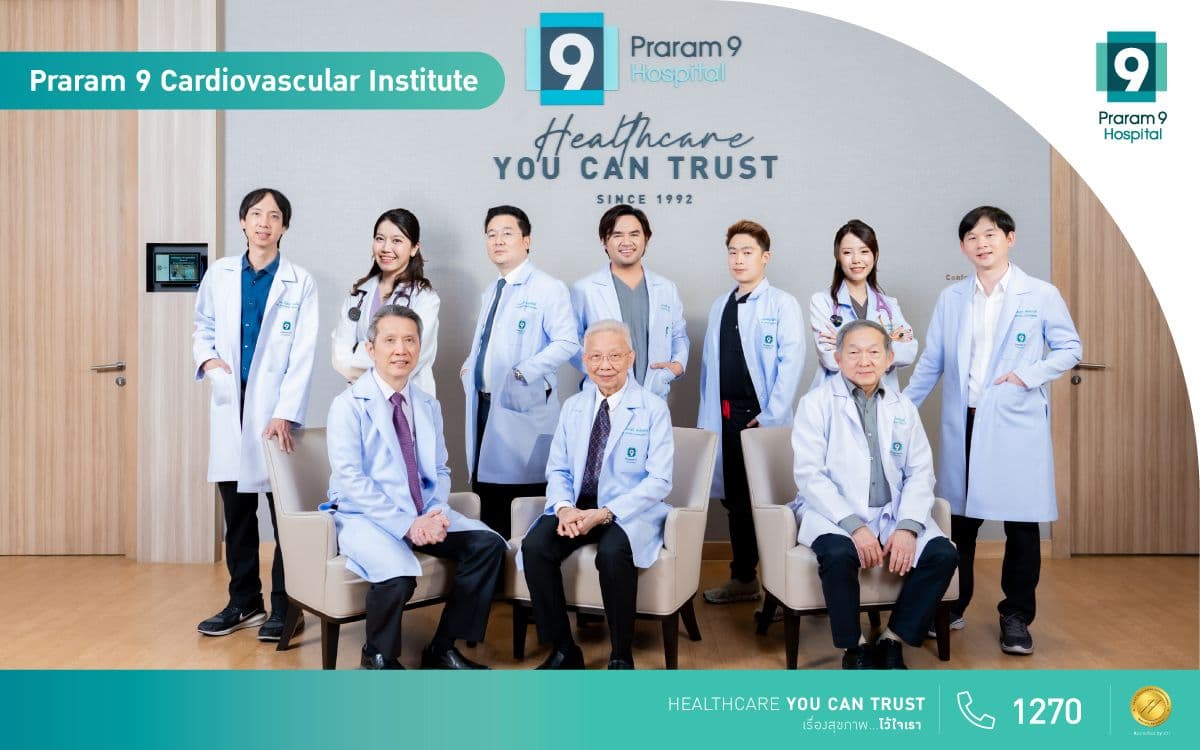
Praram 9 Cardiovascular Institute
Operating Hours
Open Daily: 07:00 AM – 08:00 PM
Page Information
Video consultation with doctors via video call (Telemedicine)
Video Consultation with Praram 9 V
Video Constulation with Doctor at Anytime, Anywhere via PRARAM 9 V

Praram 9 Hospital
Operating Hours
Open Daily: 07:00 AM – 08:00 PM
The heart is one of the most vital organs in the human body. It pumps blood through the blood vessels to every part of the body. Therefore, when diseases or conditions affect the heart or blood vessels, they can impact the function of multiple organs or even lead to sudden death. Statistics in Thailand also show that deaths from heart and vascular diseases have continued to increase.
If you have risk factors or symptoms that may be related to heart disease, you should consult a cardiologist as soon as possible.
Symptoms Related to Heart and Vascular Diseases
- Chest tightness or discomfort in the upper abdomen
- Palpitations
- Shortness of breath
- Easily fatigued even without exertion
- Chest tightness during exercise
- Dizziness, lightheadedness, fainting
- Abnormally fast heart rate
- Weight gain, swelling of the feet or ankles
- Unable to lie flat
- Waking up at night due to shortness of breath
- Excessive sweating, cold sensations
You should observe your symptoms regularly. If you experience any of the above, consult a doctor promptly as they may indicate risk for heart and vascular diseases.
The Beginning and Strengths of the Praram 9 Hospital Cardiovascular Institute
The Cardiovascular Institute of Praram 9 Hospital is one of the hospital’s key specialty institutes. It originated as the Cardiology Department 32 years ago, starting with only a few cardiologists. Through long-standing experience and continuous development, it has grown into a strong and comprehensive cardiovascular institute.
We currently have 31 cardiologists, available 24 hours a day, providing complete care for all types of heart and vascular diseases. Supported by modern medical equipment, we are capable of managing even the most complex heart conditions with subspecialists across all fields of cardiology.
In addition to providing care that meets international standards such as JCI, our highest priority is caring for every patient from the heart—with attention, warmth, and genuine support that you can feel.
We promise to care for you based on our commitment: “Caring for your heart with our heart.”
From the “Heart Center” to the “Praram 9 Cardiovascular Institute”
Praram 9 Hospital recognizes the importance of caring for patients with heart disease and the need for rapid, accurate, and precise diagnosis in emergency situations. Therefore, the hospital expanded from the Heart Center to the Praram 9 Cardiovascular Institute, enhancing its capacity to deliver comprehensive and effective cardiac and vascular care.
As the Heart Center transformed into the Cardiovascular Institute, we strengthened every aspect of our service—from initial diagnostic evaluations to advanced heart assessments—using complete, modern, internationally standardized medical technology. This ensures confidence, safety, and a full spectrum of care, including cardiac rehabilitation and preventive health programs.
Our multidisciplinary team includes experienced cardiologists, nurses, and specialized staff who continuously develop their knowledge and skills. They work closely with patients and families throughout diagnosis, treatment, recovery, and lifestyle guidance to support long-term wellbeing.
Services at the Praram 9 Cardiovascular Institute
The Praram 9 Cardiovascular Institute (Heart Center) is equipped with modern technology to diagnose heart and vascular diseases, detect risk factors, and provide early preventive care. Our advanced tools allow for accurate detection of early-stage cardiovascular conditions—even before symptoms appear—and support diagnosis and treatment planning.
Diagnostic Services
1. Electrocardiography (EKG)
A test that examines the heart’s electrical signals to identify potential abnormalities.
- Benefits: Non-invasive, takes 5–10 minutes, helps detect basic abnormalities.
2. Echocardiogram
Ultrasound imaging of the heart to assess structure, pumping function, relaxation, and valve function.
- Benefits: Non-invasive, detailed visualization, simple preparation.
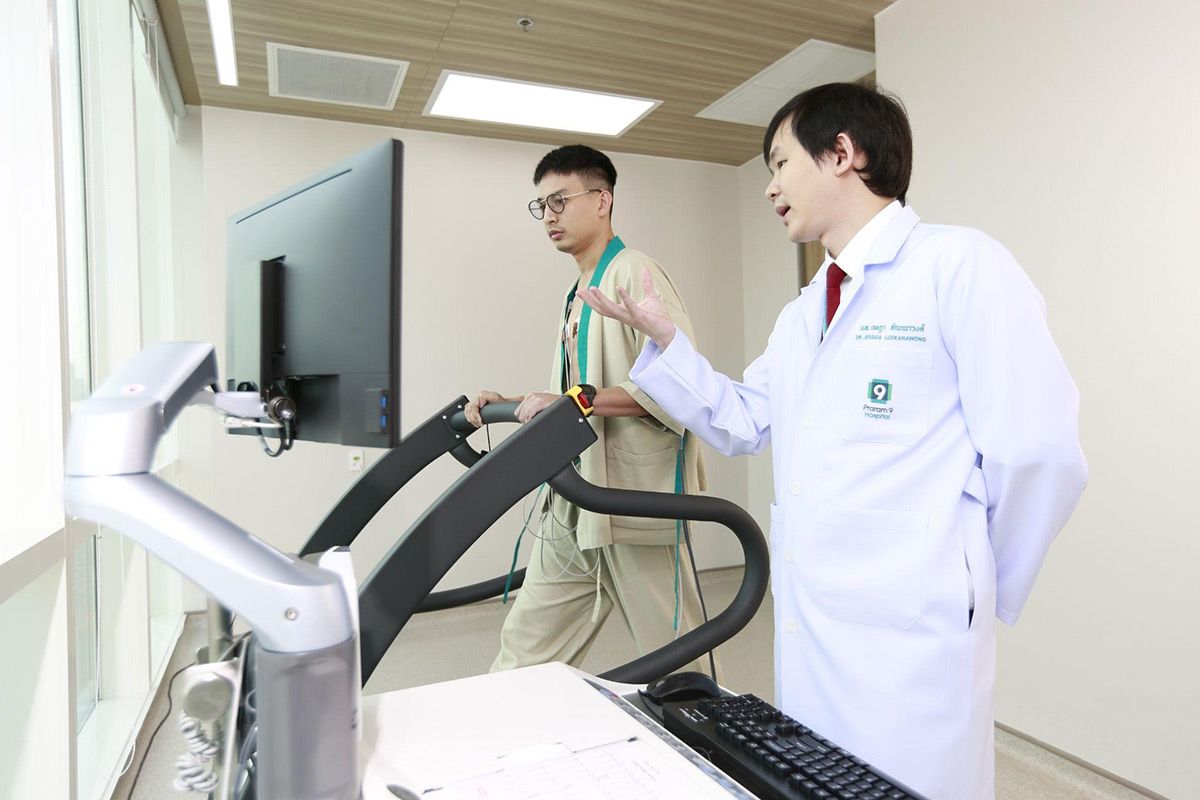
3. Exercise Stress Test (EST)
Walking on a treadmill while monitoring ECG and blood pressure to detect ischemia or arrhythmia during exertion.
- Benefits: Useful for assessing coronary artery disease risk and physical fitness.
4. Ankle-Brachial Index (ABI)
Evaluates blockage and elasticity of peripheral arteries, especially in the arms and legs.
- Benefits: Convenient, quick, non-invasive, immediate results.
5. Computed Tomographic Angiography (CTA)
High-speed CT imaging to examine coronary arteries for narrowing or bulging.
- Benefits: Clear visualization and accurate diagnosis of vascular conditions.
6. Coronary Calcium Score (CACs)
Measures calcium deposits in coronary arteries using CT scan to assess risk of coronary artery disease.
- Benefits: Fast (10–15 minutes), low radiation, effective for risk prediction.
7. Cardiac MRI (CMR)
Magnetic resonance imaging of the heart for detailed structural and functional assessments.
- Benefits: High-resolution images, excellent for complex diagnosis, no radiation exposure.
8. VO2 Max Test
Measures maximum oxygen consumption during intensive exercise to assess heart and lung performance.
Treatment Services for Heart and Vascular Diseases
1. Coronary Artery Disease Treatment
- Cardiology OPD: Medication and lifestyle management
- CCU: Care for hospitalized cardiac patients requiring close monitoring
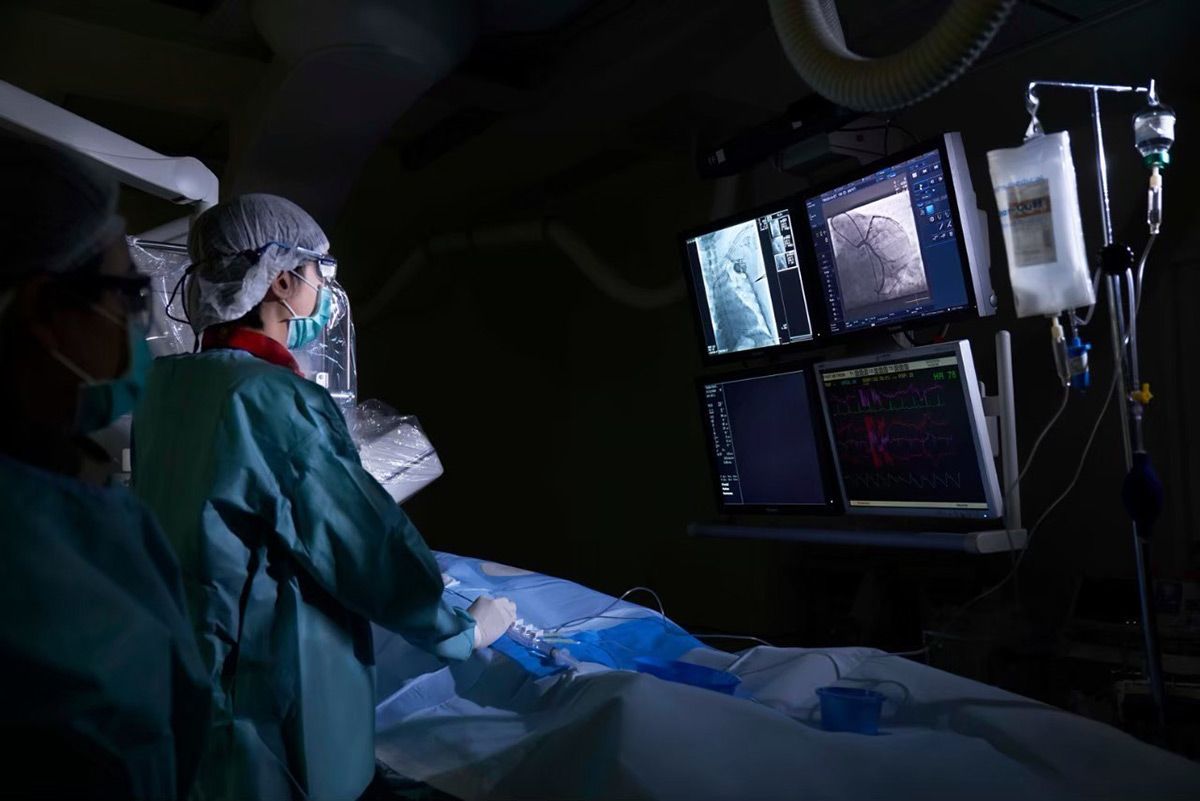
2. Coronary Angiogram (CAG) & Percutaneous Coronary Intervention (PCI)
Catheter-based diagnosis and treatment for acute or chronic coronary artery narrowing (balloon angioplasty and stent placement).
3. Permanent Pacemaker (PPM)
For patients with abnormally slow heart rhythms causing fainting or dizziness.
4. Electrophysiology Study (EPS) & Radiofrequency Ablation (RFA)
For evaluation and treatment of significant cardiac arrhythmias.
5. Cardiac Surgery
Includes CABG, valve surgery, aortic aneurysm repair, and congenital heart surgery.
6. TAVI/TAVR (Transcatheter Aortic Valve Implantation / Replacement)
Catheter-based aortic valve replacement without open-chest surgery, reducing surgical risks and enabling faster recovery.
7. Mitral Valve Clip (MitraClip)
Catheter-based procedure to treat severe mitral valve regurgitation.
8. Minimally Invasive Cardiac Surgery (MICS)
Smaller incisions—4–5 times smaller than traditional surgery—resulting in less pain and faster recovery.
Cardiac Rehabilitation
The Praram 9 Cardiovascular Institute provides cardiac rehabilitation programs for recovery after heart attacks or cardiovascular surgeries, helping the heart regain function effectively.
Our cardiology team works together to assess, plan, and deliver tailored treatment. Alongside treatment, we emphasize lifestyle modification and risk-factor control to slow disease progression and prevent recurrence.
Location:
Praram 9 Cardiovascular Institute, 3rd Floor, Building A, Praram 9 Hospital
Operating Hours:
Open daily, 07:00 – 20:00
Contact Information:
Tel 1270/ +662 202 9999, Email : [email protected]
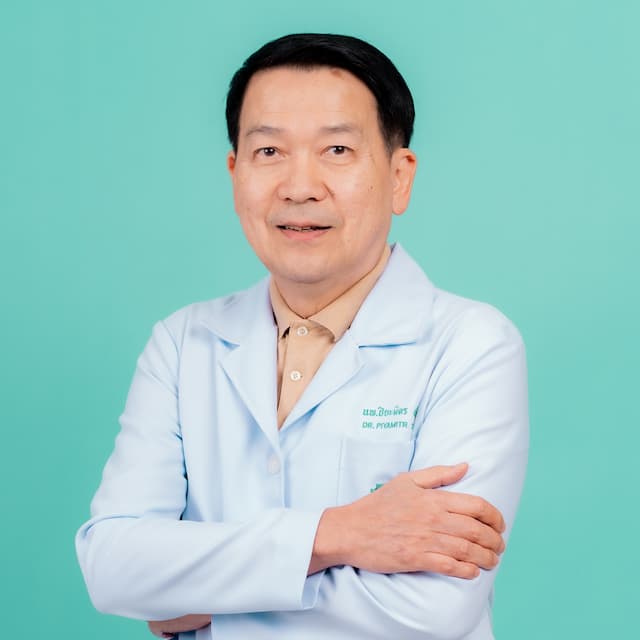
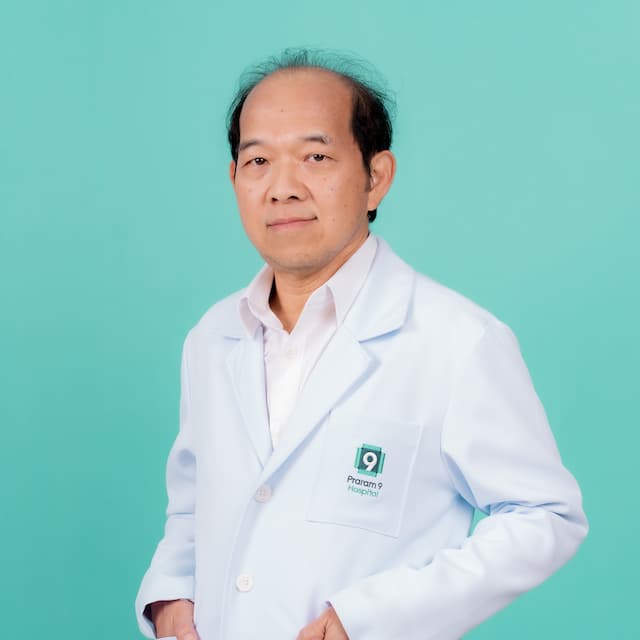
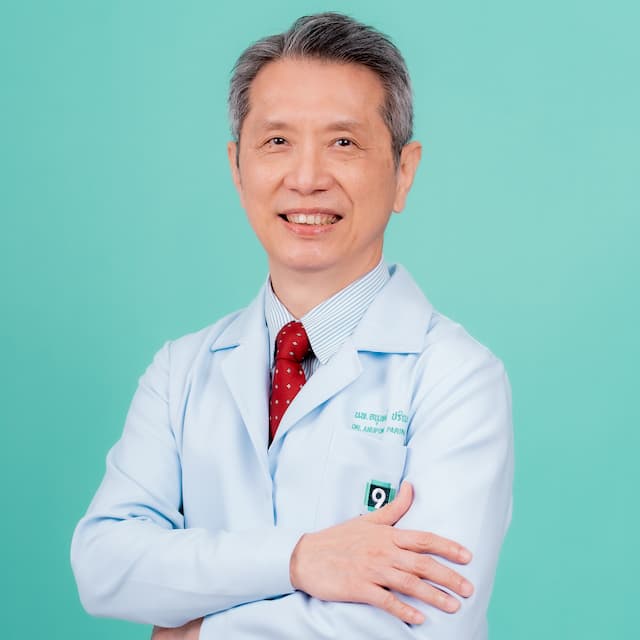
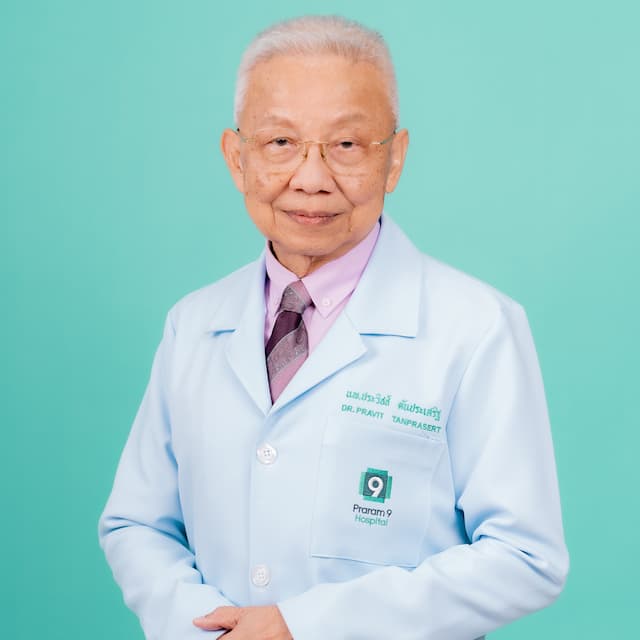
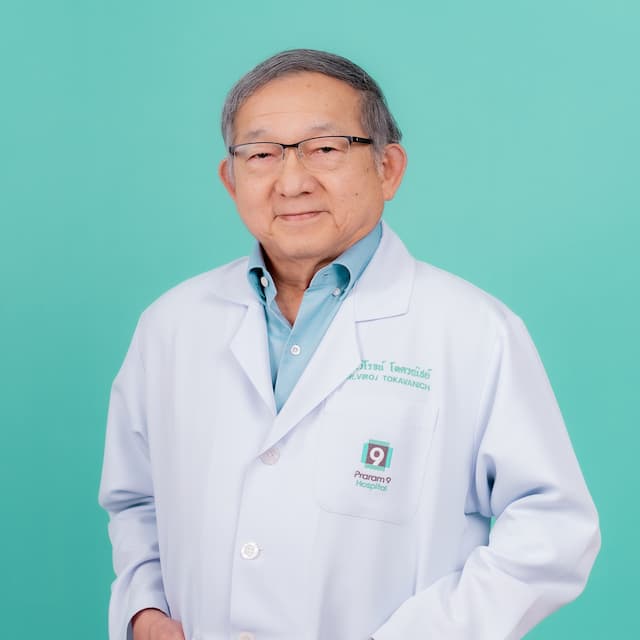
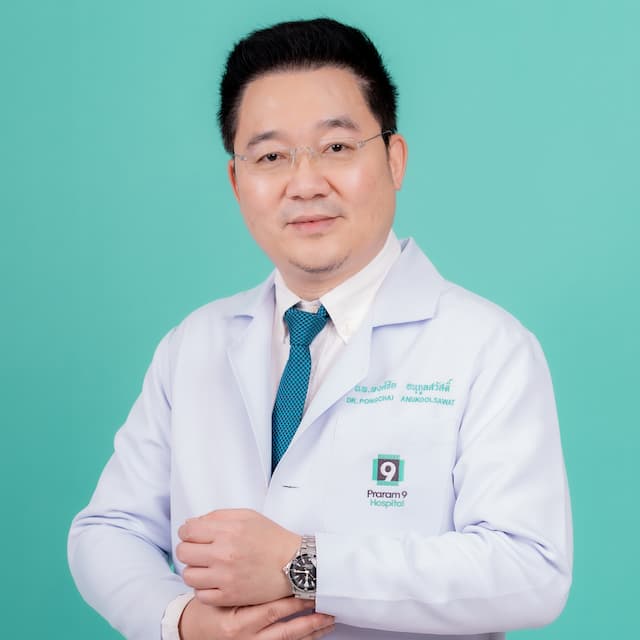
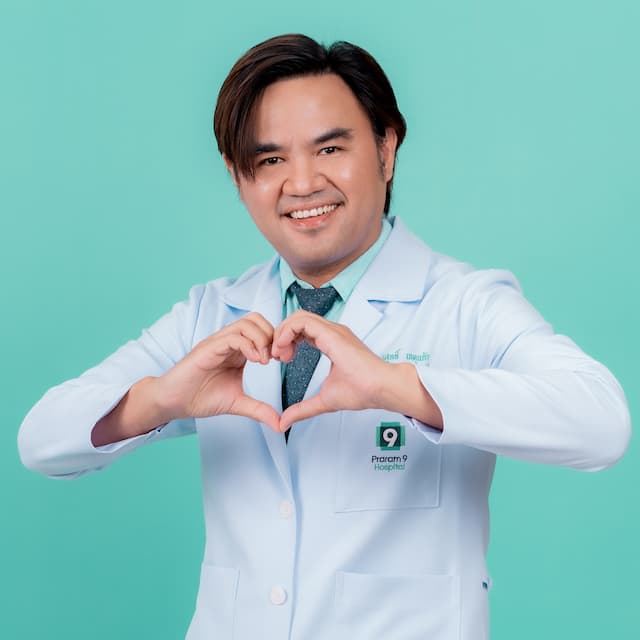
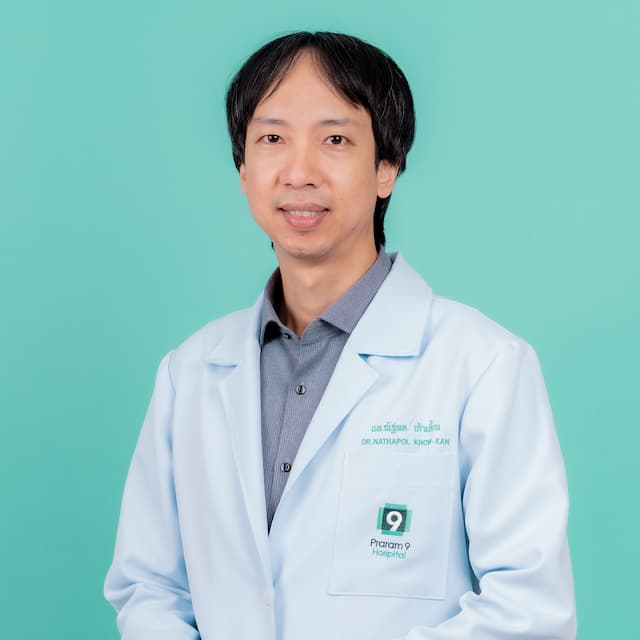
Center Physicians
All Doctors in the Center



Related Health Articles
View All


Copyright © 2024 All Rights Reserved | Praram 9 Hospital


